
The Quagga
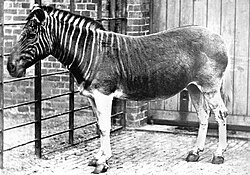
One of the last Quaggas
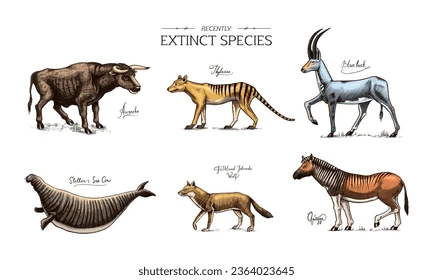
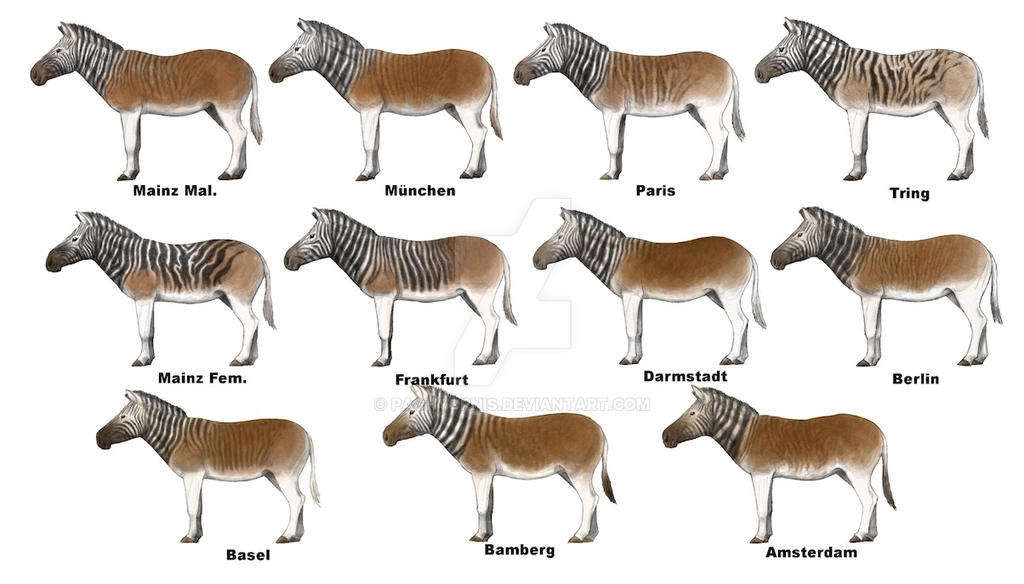
The quagga was one of the most unusual and fascinating animals ever to roam the grasslands of southern Africa. For many years, people believed it was a separate species from the zebra, but modern science has revealed that the quagga was actually a unique subspecies of the plains zebra. What made the quagga so distinctive was its appearance. Unlike the zebras we know today, the quagga had bold brown and white stripes on the front half of its body, while its hindquarters were mostly solid brown with only faint striping. This unusual pattern made it look like a blend of a zebra and a horse, leading many early European settlers and explorers to regard it as one of Africa’s most curious animals.
The quagga lived primarily in what is now South Africa, particularly in the open grasslands of the Karoo and Orange Free State regions. These areas provided abundant grasses for grazing and allowed large herds of quaggas to roam freely across the plains. Like modern zebras, quaggas were social animals that traveled in groups, offering protection from predators such as lions, leopards, and hyenas. Their keen eyesight and herd behavior helped them survive in the harsh African environment for thousands of years before the arrival of large-scale European settlement.
The name “quagga” comes from the Khoikhoi people of southern Africa and is believed to imitate the animal’s call, which sounded something like “kwa-ha-ha.” European explorers first recorded the animal during the seventeenth century, and throughout the eighteenth and nineteenth centuries the quagga became a familiar sight to travelers crossing the South African plains. Artists and naturalists documented the animal in paintings, sketches, and written accounts, helping preserve a record of its appearance long after it disappeared from the wild.
Unfortunately, the quagga’s story took a tragic turn during the nineteenth century. As European settlement expanded across southern Africa, increasing numbers of quaggas were hunted for their meat and hides. Farmers also viewed them as competitors for grazing land needed by livestock such as cattle and sheep. Unlike many other African animals, quaggas were not protected, and their populations declined rapidly. Large herds that once numbered in the thousands became increasingly rare. By the 1870s, sightings of wild quaggas had become uncommon, and conservation efforts came too late to save them.
The last known wild quagga is believed to have been killed in the late 1870s. A few animals remained in zoos and private collections in Europe, but their numbers continued to dwindle. The final known quagga died at the zoo in Amsterdam on August 12, 1883. At the time, few people realized the significance of the loss. The quagga became the first extinct animal to have its DNA successfully analyzed more than a century later, allowing scientists to better understand its relationship to modern zebras. This groundbreaking research confirmed that the quagga was not a completely separate species but rather a unique form of the plains zebra.
Today, the quagga occupies a special place in the history of conservation. Its extinction serves as a reminder of how quickly a species can disappear when human activities are left unchecked. The animal has become a symbol of the importance of wildlife preservation and responsible stewardship of natural resources. Museums around the world display a small number of preserved quagga specimens, giving visitors a rare glimpse of an animal that vanished before the dawn of modern conservation efforts.
In recent decades, scientists and conservationists have launched what is known as the Quagga Project. Since the quagga was a subspecies of the plains zebra, researchers have selectively bred zebras that display reduced striping and more quagga-like characteristics. While these animals are not true quaggas, they closely resemble the extinct animal’s appearance and help educate the public about its history. The project has sparked discussions about extinction, genetics, and the role humans play in both the destruction and preservation of wildlife. More than 140 years after the last quagga died, its story continues to inspire scientists, historians, artists, and dreamers around the world.
The quagga’s legacy extends beyond science and conservation. It represents a connection to a lost world, a reminder that every species has a unique place in the story of life on Earth. Its striking appearance, mysterious disappearance, and enduring cultural impact have ensured that the quagga remains one of history’s most famous extinct animals. Though it can no longer be found roaming the African plains, the quagga continues to capture imaginations and inspire efforts to protect the wildlife that still remains.